
 973-966-6555
 8 Shunpike Rd, Madison, NJ 07940
Did you know that a cavity is actually a bacterial infection of the tooth? Cavities are caused by bacteria that live in most of our mouths.
Everyone has oral flora, or bacteria that live in our mouths. Some of these bacteria are beneficial, most are neutral, and some are harmful. The harmful bacteria may cause gingivitis, periodontitis, or dental caries (cavities). If you have ever had a cavity, one of those bacteria is living in your mouth.
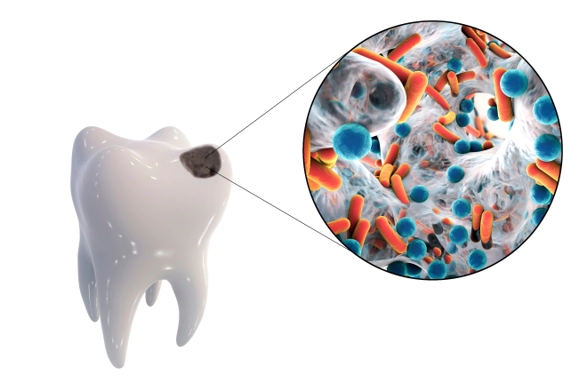
How do bacteria make cavities in teeth?
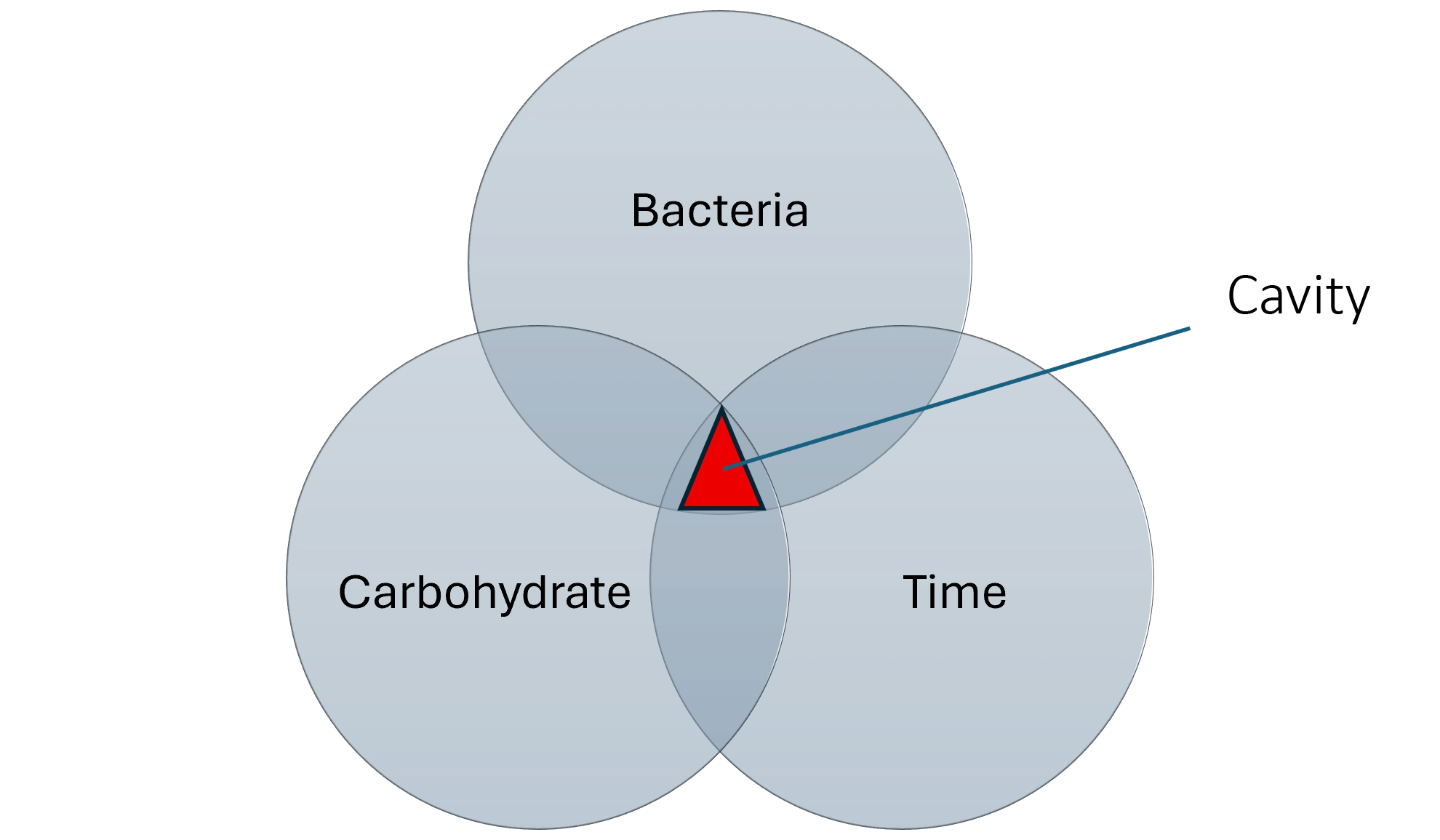
Cavities are multi-factorial, meaning they need the right conditions to form.
- Bacteria: The bacteria (streptococcus mutans) must be present in your mouth
- Carbohydrate: When we eat carbohydrates, the bacteria in our mouths eat them as well. When the bacteria digest carbohydrates, they secrete a strong acid, causing the oral environment to become acidic for a period of time. Your saliva will naturally buffer that acid back to a neutral pH after about 20 minutes.
- Time: the acid must make contact with the tooth long enough to dissolve the enamel and make a hole in the tooth.
Cavity Prevention 101
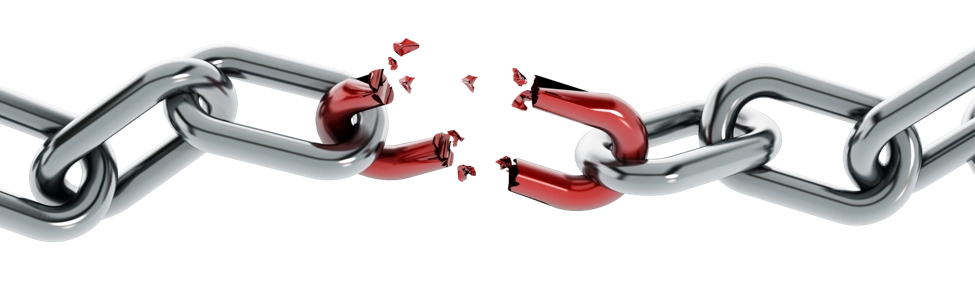
Preventing cavities involves disrupting one or more of those conditions. Think of it as breaking a link in the chain.
- Link #1:Bacteria: we cannot change the fact that you have these bacteria as part of your oral flora. Once you have it, you always have it. What we can do is keep the bacterial load (or number of bacteria) as low as possible with thorough plaque removal twice a day. Brushing, flossing, and rinsing physically remove bacteria from the mouth.
- Link #2: Carbohydrate Source: No one is asking you to stop eating carbs! Carbohydrates are an essential part of a healthy diet. Fruits, vegetables, grains, and sweeteners are all carbohydrates. What we can do is be mindful of our carb consumption.
- Combine food groups within a meal: carbs are less detrimental when combined with proteins and fats.
- When snacking, DO NOT GRAZE! For every bite of carbohydrate you take, your mouth becomes acidic for about 20 minutes. If you eat a bag of pretzels all at once, your mouth is acidic for 20 minutes until your saliva buffers it back to neutral. BUT, if you take a bite of pretzel, then wait 10 minutes and take another bite, you reset the clock!
- Food Choices: when snacking, choose foods that are less cariogenic (or cavity-causing). a. Meats, cheeses, and nuts are low caries-risk foods. These foods are very unlikely to cause cavities. Combine these foods with your carbs, for example: pretzels with cheese cubes. b. Fresh fruits and vegetables are a good choice as well. Although they do contain carbohydrates, the fiber has a natural cleansing effect on the teeth. The crunchier, the better!
- Be mindful of your beverages: sugary drinks, acidic drinks, and carbonated drinks contribute to the formation of cavities in a couple of ways. Sugar feeds the bacteria, bacteria ferment the carbs and secrete acids, making the mouth acidic. Many popular beverages also have added acids for flavor or carbonation. Read on, you may be very surprised!
- Sugary Drinks: Sugar sweetened drinks include juices, sweetened teas, punches, slushies, and smoothies. These beverages are harmful due to their high sugar content and the fact that they are typically consumed over a period of time rather than all at once. Remember, your teeth will be under acid attack for 20 minutes after each sip!
- Acidic drinks: Iced teas, hot tea, coffee, and lemonade (as well as lemon water!) are very acidic.
- Carbonated drinks: Everyone knows that sodas are bad for your teeth. Did you know that diet soda and seltzer are no better? All carbonated drinks contain carbonic acid to cause the bubbles. Diet soda typically has added citric acid to improve the flavor and flavored seltzers often contain citric acid as well. To prevent cavities, avoid all carbonated drinks. If you cannot go without it, sip smarter! Drink these beverages in moderation, and drink it all at once rather than sipping over time.
- Milk: We all know that the calcium in milk builds strong bones and teeth. The calcium in milk is absorbed by the body and does help strengthen bones and teeth. The milk that sits on your teeth after drinking is high in lactose. Lactose is a sugar that bacteria love! When milk is allowed to sit on your teeth, it feeds the bacteria and contributes to acid production. It has a high caries index (it causes cavities easily). This is how baby bottle decay forms. Don’t give up the milk quite yet—just have it with a meal or brush your teeth after you drink it.
- Link #3: Time. Brush, floss, and rinse away bacteria before it has time to damage your teeth!
- Lower the bacterial load: Brush your teeth after eating to physically remove bacteria and food debris from your teeth. Brushing and flossing will lower the bacterial load (the number of bacteria present in your mouth).
- Chew sugar free gum: If you cannot brush after a meal or snack, it will help to chew sugar free gum. This will stimulate saliva production and buffer the acids faster. Gum sweetened with Xylitol is even better because the Xylitol is toxic to the bacteria that causes cavities. In short, it renders the bacteria harmless for a few hours. Trident and Orbit gum are just two brands that use Xylitol.
- Make your teeth stronger with fluoride: The fluoride in your toothpaste and in the professional fluoride treatments you receive in the dental office strengthen enamel to be more resistant to decay. In other words, it makes it tougher for the acids to dissolve the enamel.
Dental Tip: read labels for ingredients ending in “-ose”, sucrose, fructose, lactose, are all names for sugar.
Does anything else contribute to cavities?
Yes, there are a few unique factors that contribute to tooth decay.
- Xerostomia: This is the technical term for dry mouth. Dry mouth can be caused by medications, medical conditions, surgery, or genetics. Without ample salivary flow, the body cannot buffer those acids efficiently. The 20 minute acid attack can stretch on for hours in patients with dry mouth.
- Medical Conditions: There are many medical conditions that make individuals more susceptible to dental caries. Acid reflux and/or frequent vomiting increase the acidity of the mouth exponentially. Diabetes changes the chemical composition of the saliva as well as the body’s ability to fight off bacteria. Patients will gum recession are highly susceptible to a form of caries called root caries. The list goes on.
- Medications: many medications, both prescription and over the counter, can contribute to caries. Some pain medications and allergy medications can dry up the saliva. Cough syrups and antacids contain sugars that can linger on the teeth. Antibiotics can wipe out too many of the beneficial bacteria, allowing cavity causing species to over grow.
Talk to your hygienist about your individual caries risk at your next visit at Coyle Dentistry! Our dentists and team are happy to tailor a plan for your specific needs! Call us at 973-966-6555 to schedule your dental care in Madison, New Jersey, with Dr. Dennis Coyle or Dr. Kate Coyle!